
Wayback Machine – Explore & Restore Internet History (2026)
Introduction: A Digital Time Portal to the Web’s Past
The internet changes every second. Websites disappear, designs evolve, and entire pages can vanish without warning. In this fast-moving digital world, the Wayback Machine acts like a time portal, allowing users to revisit old versions of websites and rediscover lost online content.
From early blog layouts to defunct news pages, this powerful tool preserves snapshots of the web for future generations. It is widely used by researchers, journalists, developers, and everyday users who want to explore how the internet looked years ago or recover important information that has been removed.
At its core, the Wayback Machine represents digital memory—an open archive that keeps the history of the internet alive and accessible to everyone.
What Is the Wayback Machine?
The Wayback Machine is a free online service that stores archived versions of web pages over time. It allows users to view how websites appeared on different dates, sometimes going back more than two decades.
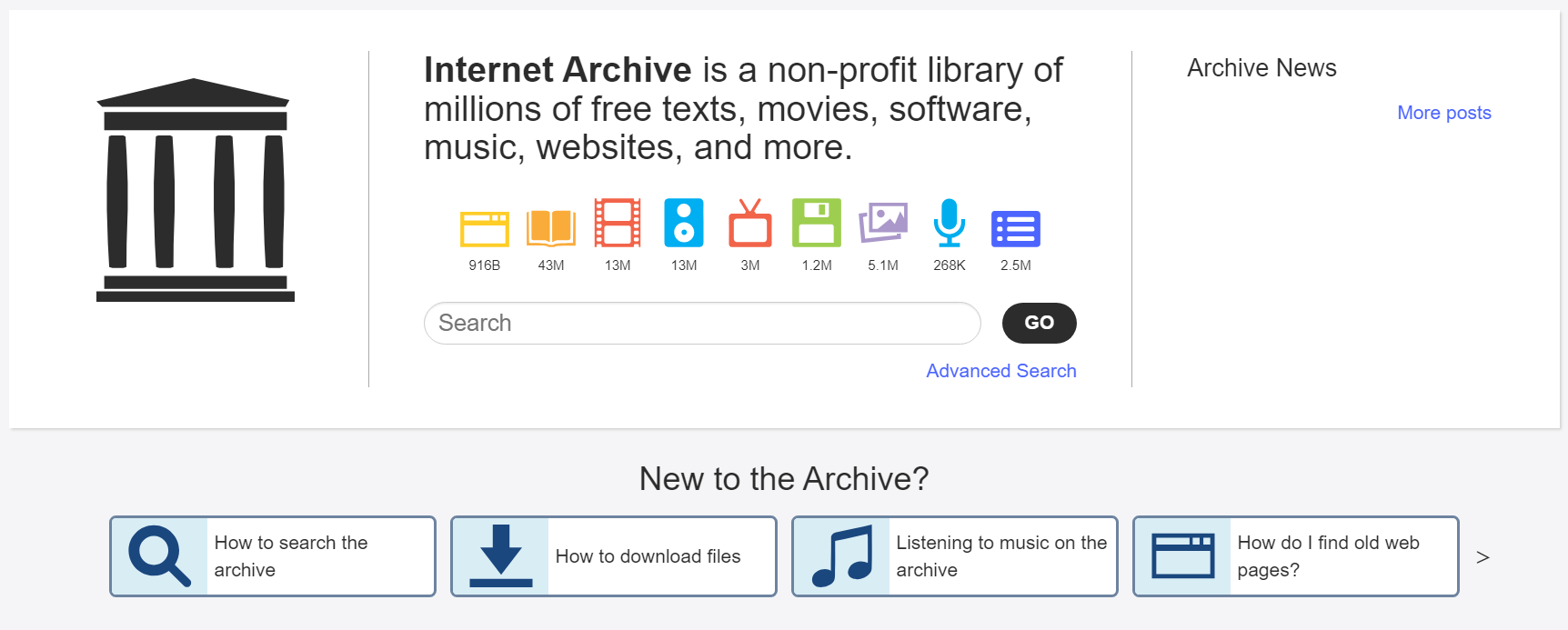
It is part of the larger Internet Archive, a nonprofit organization dedicated to preserving digital content for public access.
👉 Official source: https://archive.org/web/
With billions of saved snapshots, the Wayback Machine has become one of the largest digital libraries in the world.
How the Wayback Machine Works
The system works by continuously crawling websites and saving copies of pages at different time intervals. These saved copies are called “snapshots.”
Key Process Behind Archiving
- Web crawlers scan publicly accessible pages
- Content is captured (text, images, layout)
- Snapshots are stored in a massive archive database
- Users can retrieve these snapshots by entering a URL
When you search for a website, the system shows a timeline of all available archived versions. You can click any date to see how the page looked at that time.
Why the Wayback Machine Matters in the Digital Age
The internet is constantly evolving, and without preservation tools, valuable information would disappear forever.
Digital Preservation
One of the most important roles of the Wayback Machine is protecting digital history. News articles, research papers, and cultural content are saved even if original websites go offline.
Transparency and Accountability
Journalists often use archived pages to verify claims or track changes in public statements.
Educational Value
Students and researchers can study how websites evolved and how digital culture developed over time.
Exploring Archived Websites Step by Step
Using the Wayback Machine is simple and user-friendly.
Step 1 – Enter a URL
Type the website address into the search bar.
Step 2 – Choose a Year
A timeline appears showing all years the website was archived.
Step 3 – Select a Date
Click on a highlighted date to load a snapshot.
Step 4 – Browse the Archived Page
You can explore links, images, and content as it originally appeared.
This process allows users to travel through digital history with just a few clicks.
Real-World Uses of the Wayback Machine
The Wayback Machine is not just for curiosity—it has practical applications across many fields.
Journalism and Fact-Checking
Reporters use archived pages to verify deleted claims or changes in public statements.
Web Development
Developers analyze old website structures to improve redesigns or recover lost code ideas.
Legal Evidence
Archived pages can serve as digital proof in disputes or copyright cases.
Academic Research
Researchers study digital evolution and historical content trends.
Recovering Deleted Web Pages
One of the most powerful features of the Wayback Machine is its ability to retrieve deleted or missing content.
If a website goes offline or removes important pages, users may still find them archived.
Common Recovery Scenarios
- Removed blog posts
- Deleted news articles
- Old product pages
- Outdated documentation
This makes the tool extremely valuable for content recovery and historical reference.
Internet Archive and Its Mission
The Wayback Machine is part of the broader Internet Archive ecosystem.
👉 Learn more: https://archive.org/
The mission of the Internet Archive is simple yet powerful: to provide “universal access to all knowledge.”
It also hosts:
- Millions of books
- Audio recordings
- Software archives
- Video collections
Together, these resources form one of the most comprehensive digital libraries ever created.
Limitations of the Wayback Machine
While powerful, the system has some limitations.
Not All Pages Are Archived
Some websites block crawlers.
Missing Media Elements
Some images or scripts may not load.
Time Gaps
Not every change is recorded.
Even with these limitations, the tool remains incredibly useful for most archival needs.
Privacy and Ethical Considerations
The Wayback Machine only archives publicly available content, but ethical concerns still exist.
Right to Be Forgotten
Some users request removal of sensitive pages.
Website Opt-Out Options
Sites can request exclusion.
Responsible Use
Users should respect privacy laws.
Wayback Machine vs Other Archive Tools
There are other web archiving services, but the Wayback Machine remains the most widely used.
Key Advantages
- Massive database
- Free access
- Easy interface
- Long historicalcoverage
Alternatives
Some institutions and libraries maintain their own archives, but they usually have limited scope compared to the Internet Archive.
Tips for Using the Wayback Machine Effectively
To get the best results, keep these tips in mind:
Use Exact URLs
Always enter full links.
Try Multiple Dates
Check nearby snapshots if one fails.
Explore Different Years
Older versions may be more complete.
Bookmark Archives
Save important pages for later.
Mobile and Modern Access Experience (2026 Update)
In 2026, the Wayback Machine is more accessible than ever.
- Mobile-friendly interface
- Faster loading pages
- Improved filtering
- Better rendering
Users can now explore digital history smoothly across smartphones, tablets, and desktops.
How the Wayback Machine Preserves Digital Culture
The internet is more than just websites—it reflects culture, trends, and global communication.
The Wayback Machine helps preserve:
- Early social media layouts
- Classic news designs
- Government pages
- Cultural websites
Without this preservation, much of early internet culture would be lost forever.
Smart Use Cases for Everyday Users
Even casual users benefit from the tool:
- Checking old pricing
- Recovering tutorials
- Viewing discontinued services
- Exploring nostalgia
It’s a simple way to reconnect with digital memories.
CTA – Start Exploring Internet History Today
If you’ve never used the Wayback Machine, now is the perfect time to explore it. Simply enter a website and start traveling through digital history.
👉 Visit: https://archive.org/web/
👉 Explore snapshots instantly
👉 Rediscover lost content
The internet’s past is only a click away.
Frequently Asked Questions (FAQ)
What is the Wayback Machine used for?
It is used to view archived versions of websites and recover old or deleted web pages.
Is the Wayback Machine free to use?
Yes, it is completely free for public access.
Can I recover deleted websites with it?
If the page was previously archived, you can often view its saved version.
How far back does the archive go?
Some websites are archived as far back as the late 1990s.
Why are some pages missing?
Certain websites block archiving or were never captured by crawlers.
Is the content always accurate?
It reflects the page at the time of capture, but some elements may not load correctly.
Can website owners remove their pages?
Yes, owners can request exclusion from future archiving.
Summary of Benefits
Using the Wayback Machine provides several key advantages:
- Access to historical web content
- Recovery of lost information
- Insight into digital evolution
- Educational and research support
- Preservation of internet culture
It acts as a living memory of the web, ensuring that digital history is never truly lost.
Final Inspiring Conclusion
The internet is constantly changing, but its history deserves to be remembered. The Wack Machine ensures that nothing truly disappears from the digital world. It preserves knowledge, protects cultural records, and allows users to revisit the evolution of the online space.
Whether you're researching, recovering lost pages, or simply exploring nostalgia, this tool opens a window into the past that remains invaluable in the present.
As the web continues to grow, tools like this remind us of one important truth: every page has a story, and every story deserves to be preserved.